Pseudomonas aeruginosa
Sektor G- (gram-negative rods), large transparent white, yellowish to green colonies.
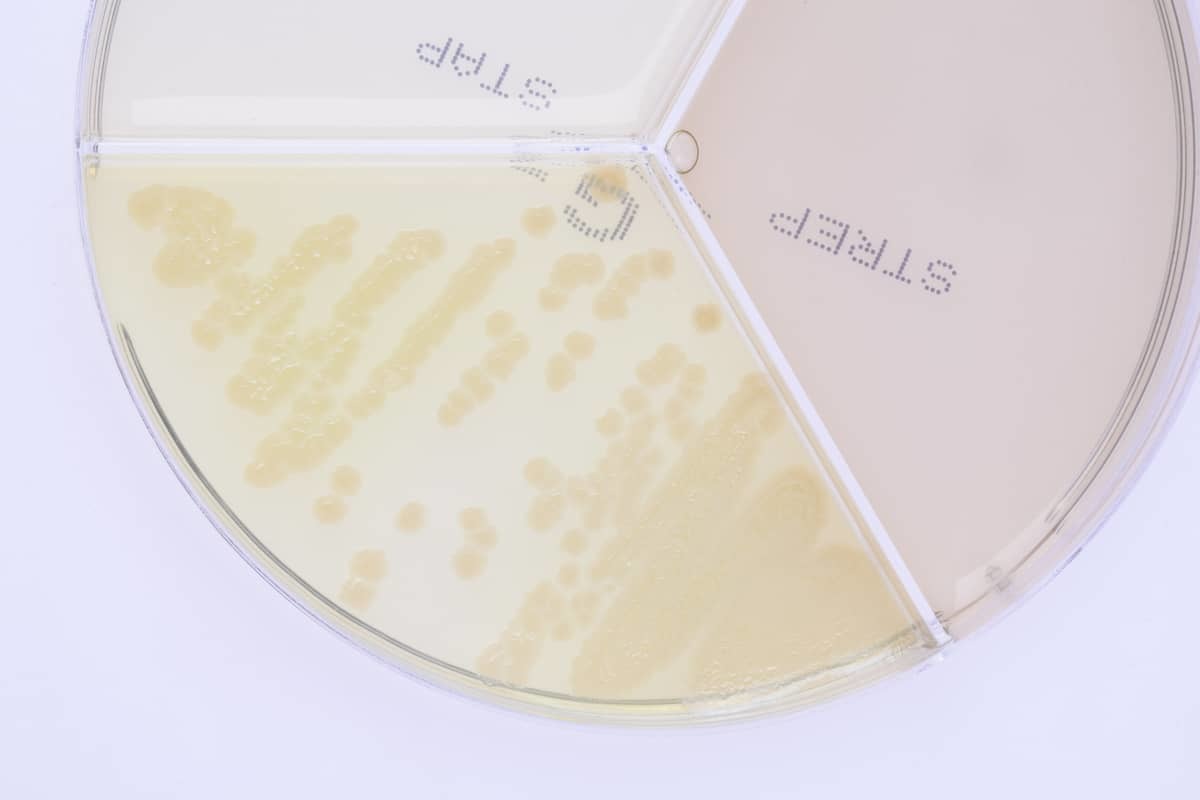
Pseudomonas aeruginosa is a bacterium that is commonly found in the environment - water, soil, feces, skin, mucous membranes. It can get into the udder, for example, during the application of intramammary preparations during dry-off, if the procedure is not performed correctly. This mastitis occurs relatively rarely, but in its acute form, it can have a fatal course.
Clinical symptoms appear suddenly - swelling of the mammary gland, tenderness, increased, but also decreased body temperature, and general signs related to toxemia (general poisoning of the organism).
Secretions from the mammary gland are watery, bluish, later bloody or chocolate-colored, foul-smelling.
Severe cases can lead to the death of the animal. The disease may also develop into a chronic form with occasional acute flare-ups. In chronic or subclinical cases, we may not always demonstrate the causative agent in milk. With timely and correct diagnosis, there is a hope that the cow will recover, and therefore, it is necessary to carry out cultivation and sensitivity testing for antibiotics as quickly as possible. Only based on the clinical course can we distinguish pseudomonas mastitis from mastitis caused by enterobacteria (E.coli, Klebsiella sp. etc.).
Pseudomonas aeruginosa has a high degree of natural resistance to antibiotics, so rapid testing is therefore essential.
To prevent the disease, a high standard of hygiene and aseptic procedures during intramammary applications is required.
In the case of pseudomonas infection it is advisable to confirm with MALDI TOF or another bacteriological identification method, and especially rapid antibiotic sensitivity testing!
