Candida spp.
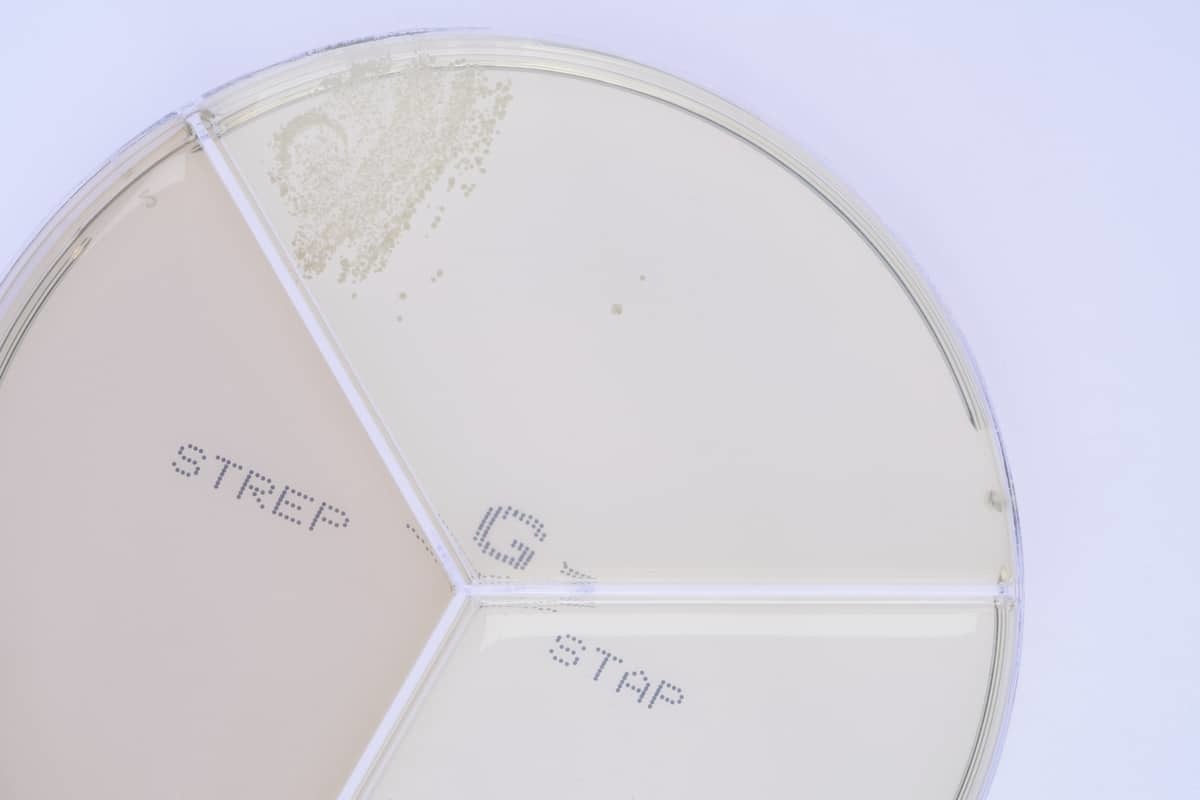
Yeasts - Candida sp.
Candida (genus) are yeasts – not bacteria, but they are also unicellular microorganisms that are all around us. They exist in the external environment, on the skin of the human body, and in animals, and when we focus on the causes of mastitis, they are largely responsible in many cases, especially where the feed is contaminated.
There are a large number of yeasts, and the genus Candida contains more than 50 species. Yeasts are found in the terminal parts (distal) of the mammary glands, but under normal circumstances in healthy states, they do not induce disease, and the occurrence of yeast mastitis is about 2-10%. If various factors come into play (overuse of antibiotics, poor hygiene, errors in the nutrition of cows with subclinical metabolic disorders, injuries to the teats, vitamin A deficiency), their occurrence can rise sharply.
The yeasts most frequently isolated from milk samples are indeed those of the genus Candida (C. albicans, C. krusei, C. rugosa, C. kefyr – recently renamed to Kluyveromyces marxianus), with very few others.
The clinical symptoms of yeast mastitis are usually mild to moderate, but they can also progress to a chronic stage. The skin of the mammary gland is tense, warm, the udder is hard, slightly swollen. The overall health condition is not markedly impaired, but we can expect a decrease in milk yield and mild anorexia.
The milk is altered – grey-yellow in color, mucoid with small flakes. In some animals, there may be spontaneous recovery without treatment, while in others, the mastitis may proceed to a chronic state with progressive changes in the udder.
The diagnosis is confirmed by microbiological examination.
