
What is mastitis in dairy cows?
Mastitis is an inflammatory disease of the mammary gland, most commonly caused by bacteria, and less frequently by yeasts or algae. It occurs when pathogens penetrate the udder through the teat canal and overcome the defense mechanisms of the mammary gland. The disease significantly reduces milk yield and quality, as well as the overall health of the cow.
It ranks among the most significant health and economic challenges in modern dairy farming—estimated losses in the EU hover around 1.5 billion euros per year. Mastitis is typically not just an issue for an individual cow, but for the entire herd: contagious types can spread rapidly through the milking system.
The development of mastitis is always influenced by multiple factors simultaneously—microbial pathogens, the individual susceptibility of the cow, parlor hygiene, bedding quality, nutrition, and both human and technological factors during milking. A comprehensive solution requires a systematic, herd-level approach rather than merely treating individual cases.
It ranks among the most significant health and economic challenges in modern dairy farming—estimated losses in the EU hover around 1.5 billion euros per year. Mastitis is typically not just an issue for an individual cow, but for the entire herd: contagious types can spread rapidly through the milking system.
The development of mastitis is always influenced by multiple factors simultaneously—microbial pathogens, the individual susceptibility of the cow, parlor hygiene, bedding quality, nutrition, and both human and technological factors during milking. A comprehensive solution requires a systematic, herd-level approach rather than merely treating individual cases.
Clearmilk test for rapid on-farm diagnostics
Types of Mastitis in Dairy Cows
Mastitis is classified based on its course, clinical signs, and duration. Each type requires a different diagnostic and therapeutic approach.
SUBCLINICAL
Subclinical mastitis
Subclinical mastitis is the most common form—accounting for 70–80% of all mastitis cases in a herd. Yet, it is the least apparent: the cow shows no visible signs, the milk appears normal, and the udder does not seem inflamed. The only reliable indicator is an elevated somatic cell count (SCC) above 200,000 per ml.
The danger lies in its long-term progression—the cow loses 5–15% of her milk yield, the milk has a lower processing yield, and most importantly, she serves as a reservoir of infection for the rest of the herd. Subclinical mastitis can only be detected through regular SCC monitoring and screening tests such as the CMT, the NK test, or the ClearMilk on-farm diagnostic test.
The danger lies in its long-term progression—the cow loses 5–15% of her milk yield, the milk has a lower processing yield, and most importantly, she serves as a reservoir of infection for the rest of the herd. Subclinical mastitis can only be detected through regular SCC monitoring and screening tests such as the CMT, the NK test, or the ClearMilk on-farm diagnostic test.
ACUTE
Acute clinical mastitis
The acute form has a rapid onset with visible signs: swelling of one or more udder quarters, pain to the touch, elevated temperature both locally and systemically, and abnormal milk (flakes, clots, or blood). Milk production in the affected quarter drops dramatically or ceases entirely.
It requires immediate therapeutic intervention—ideally after identifying the pathogen and its susceptibility using an antibiogram, ensuring that treatment is targeted and brief.
It requires immediate therapeutic intervention—ideally after identifying the pathogen and its susceptibility using an antibiogram, ensuring that treatment is targeted and brief.
PERACUTE
Peracute mastitis
This is the most severe form with a very rapid and dramatic progression. It is often caused by coliform bacteria (E. coli, Klebsiella). The affected cow exhibits systemic signs—high fever (over 40°C), anorexia, dehydration, weakness, and sometimes shock. Without urgent treatment, it can result in death within 24–48 hours.
Peracute mastitis is a critical condition requiring the intervention of a veterinarian, who will typically initiate immediate intravenous treatment and additional supportive therapy.
Peracute mastitis is a critical condition requiring the intervention of a veterinarian, who will typically initiate immediate intravenous treatment and additional supportive therapy.
CHRONIC
Chronic mastitis
Chronic mastitis entails a prolonged inflammation of the udder with recurrent clinical episodes or a persistently high SCC (often over 1 million per ml). It typically develops after an unresolved acute mastitis, or from infections by pathogens that are difficult to treat with antibiotics (Staphylococcus aureus, Mycoplasma bovis).
Treatment of chronic mastitis has a low success rate. Often, the most economically sound decision is to cull the affected cow, as a chronically infected animal continues to spread the infection throughout the herd.
Treatment of chronic mastitis has a low success rate. Often, the most economically sound decision is to cull the affected cow, as a chronically infected animal continues to spread the infection throughout the herd.
Comparison of Mastitis Types
| Type | Signs | SCC | Detection | Treatment |
| Subclinical | No visible signs | >200 000 | SCC monitoring / CMT, ClearMilk test | Targeted treatment in indicated cases (based on antibiogram) |
| Acute | Swelling, pain, abnormal milk | High | Visual, ClearMilk test | Usually antibiotics for 5–7 days (based on antibiogram) |
| Peracute | Systemic (fever, shock) | High | Clinical examination | Urgent IV and supportive therapy; antibiotics only in indicated cases |
| Chronic | Recurrent episodes, hardened tissue | Persistently > 1 million | History + lab | Often culling |
Causes and Pathogens of Mastitis
Mastitis can be caused by more than 130 different pathogens. From a practical perspective, they are divided into two main groups.
Contagious pathogens (cow-to-cow)
They spread primarily from cow to cow during milking—via contaminated teat cup liners, unclean milker's hands, or shared towels. Main representatives:
- Staphylococcus aureus - the most significant contagious pathogen, often chronically infecting the udder
- Streptococcus agalactiae - highly contagious, but responds well to treatment
- Streptococcus uberis - previously classified as an environmental pathogen; today, many S. uberis strains act as contagious pathogens
- Mycoplasma bovis - untreatable; affected cows should be culled
- Streptococcus dysgalactiae - the approach is the same as for an S. agalactiae infection
Environmental pathogens
They originate from the herd's environment—bedding, manure, water, and feed. Infection typically occurs between milkings or during the dry period.
- E. coli - the primary environmental pathogen, often presenting with a peracute course
- Klebsiella pneumoniae - bedding is frequently the source
- Streptococcus uberis - associated with contaminated bedding; the most frequent cause of subclinical mastitis
- Enterococcus faecalis - abundantly present in the barn environment
Other pathogens
Coagulase-negative staphylococci (CNS) – less virulent, but very common
- Yeasts (Candida spp.) – secondary to antibiotic therapy
- Algae (Prototheca) – rare, untreatable; the cow must be culled
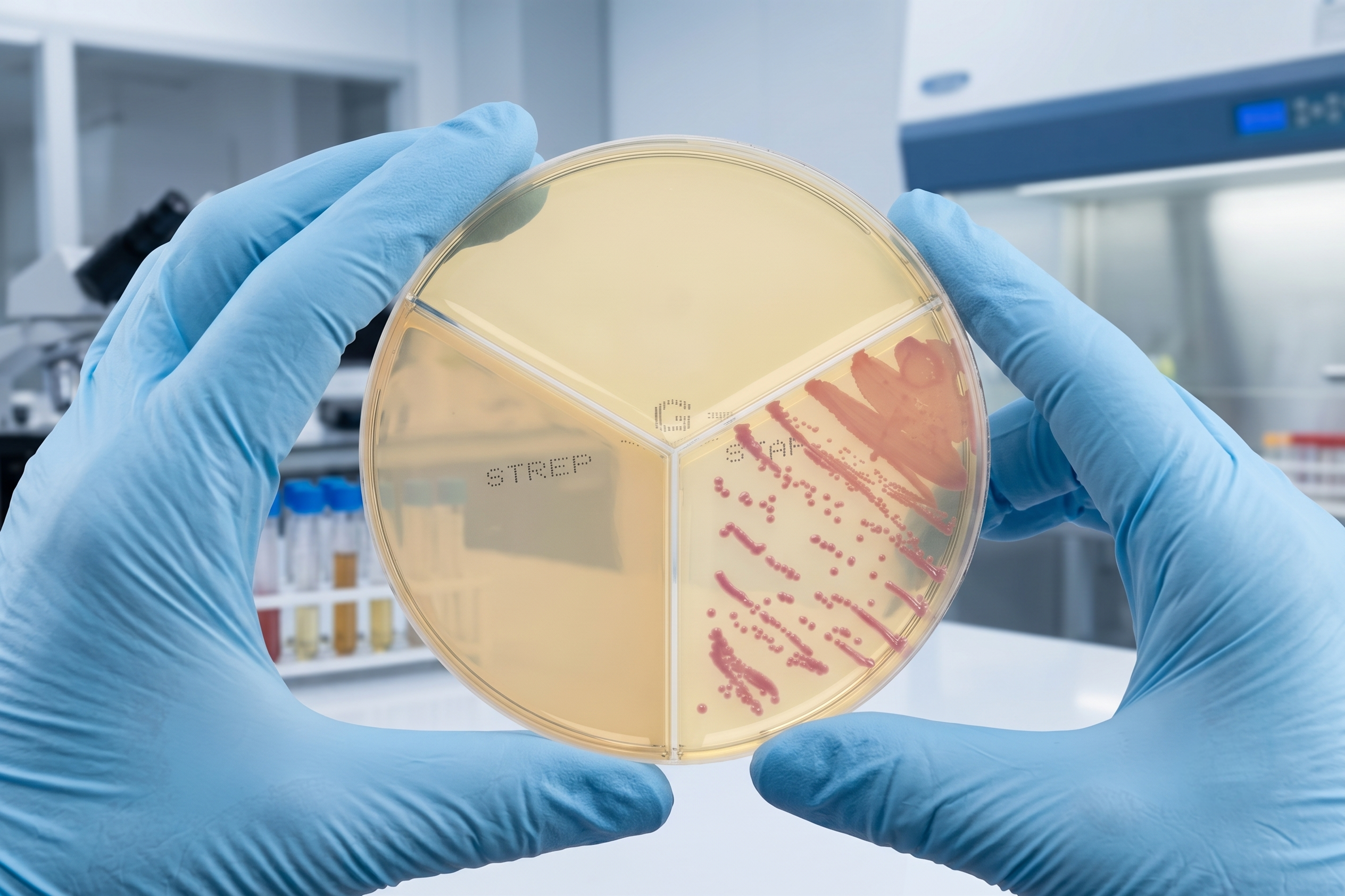
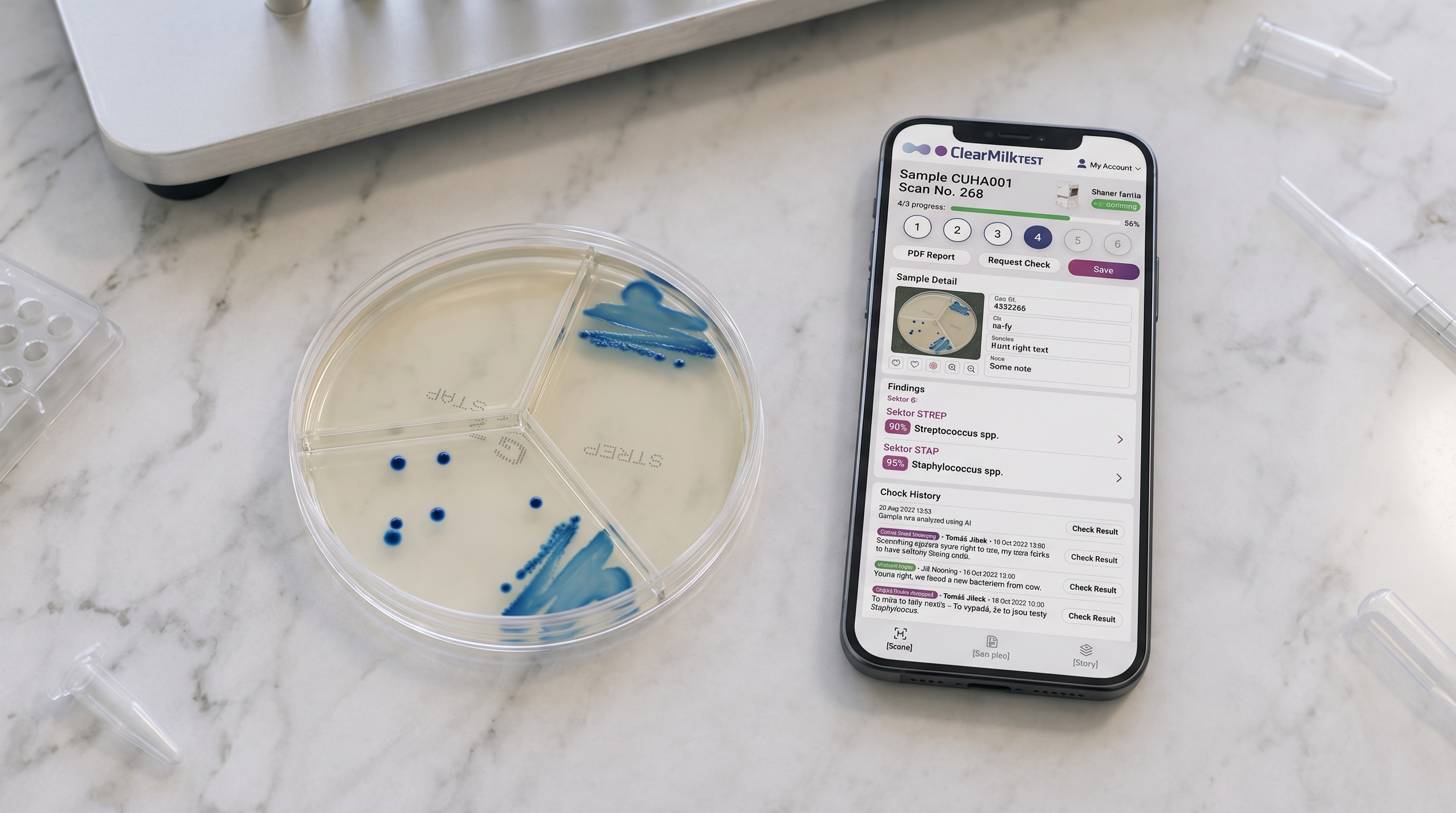
- Detailed profiles of individual pathogens, including photographs of typical growth on the ClearMilk test, can be found in the Pathogen Atlas.
Predisposing factors
The development of mastitis is influenced by:
- Milking hygiene – pre-dipping, post-dipping, disinfection
- Condition of the milking equipment – worn teat cup liners, incorrect vacuum settings
- Bedding quality – moisture, cleanliness
- Nutrition – selenium, vitamin E, BCS (Body Condition Score)
- Stress – the periparturient period, temperature, noise, animal handling by staff
- Genetics – certain breeds or bloodlines are more susceptible
- Stage of lactation – the risk is highest during the dry period and shortly after calving
Signs of Mastitis in Dairy Cows
With early detection, mastitis can be successfully treated. Below is a checklist of what to monitor:

During milking
- Changes in milk appearance – flakes, blood, pus, watery or thicker consistency
- Swelling of one or more udder quarters
- Udder asymmetry – the affected quarter is larger/harder than the others
- Pain to the touch (the cow flinches, is restless, or may kick)
- Elevated local temperature of the udder
- Reduced milk yield from a specific quarter
- Hardened nodules in the gland
- Changes to the teat – redness, damage, fissures (cracks), and keratinization of the teat canal orifice
- Residual milk – incomplete emptying of the quarter
Systemic signs (only in acute/peracute cases)
- Reduced feed intake
- Lethargy, decreased activity
- Fever above 39.5°C (normal is 38.5–39°C)
- Dehydration (especially in coliform mastitis)
- Elevated respiratory rate
- Decreased overall milk yield
In subclinical mastitis
No visible signs. Indicators are predominantly laboratory-based:
- Individual SCC > 200,000 per ml
- Increased milk electrical conductivity
- Positive CMT/NK test result
- Bacterial growth on the ClearMilk test
- Decreased milk yield
Mastitis in First-Calf Heifers and Heifers
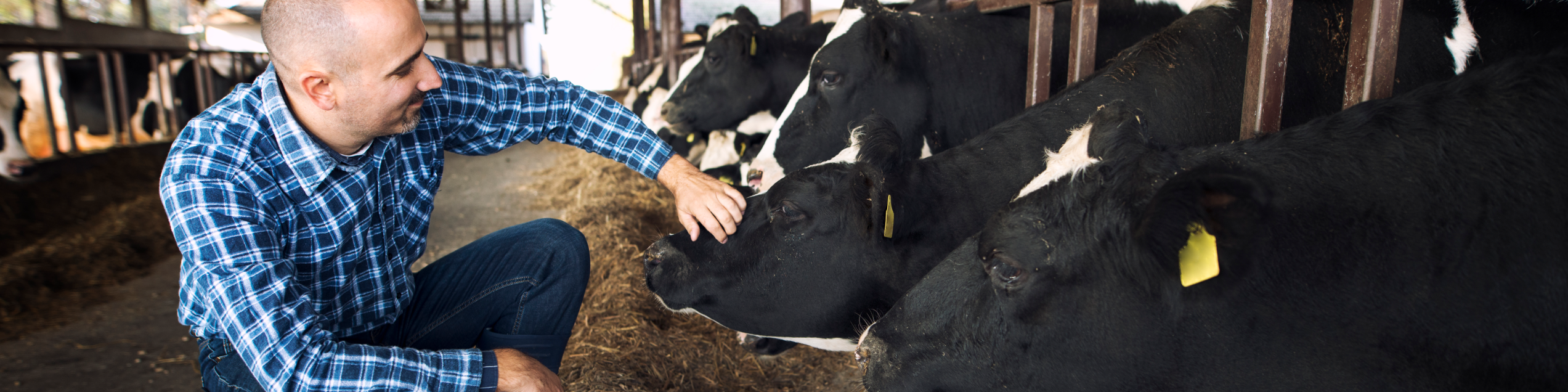
Mastitis is not just a problem in older cows. Up to 30% of first-calf heifers have subclinical mastitis already at calving, often acquired during the period before their first calving.
Why first-calf heifers and heifers are at risk
- Immature mammary gland immunity
- Infections during the growth period (often Streptococcus uberis from the environment)
- Stress during the periparturient period (calving, onset of lactation)
- Anatomical factors (narrower teat canals, less mature keratin plug)
Diagnostic specifics
In first-calf heifers, it is not possible to rely on the history of previous lactations. The key is:
- Screening in the periparturient period — one week before calving + 3 days after calving
- CMT test on the first day of milking for each quarter separately
- Microbiological examination of milk in suspected cows
Heifer-specific prevention
- Environmental hygiene for heifers in the pre-calving period (especially 3–6 months prior to calving)
- Vaccination against E. coli, and possibly S. aureus
- Prophylactic application of external teat sealants 2 weeks before calving in herds with a higher risk of heifer mastitis
- Bedding quality control (the option of adding crushed limestone to the bedding straw)
Mastitis Diagnostics
Proper treatment begins with a proper diagnosis. Mastitis diagnostics are performed in three tiers, each with increasing accuracy and cost:
1) On-farm screening
- Fast, inexpensive, unreliable
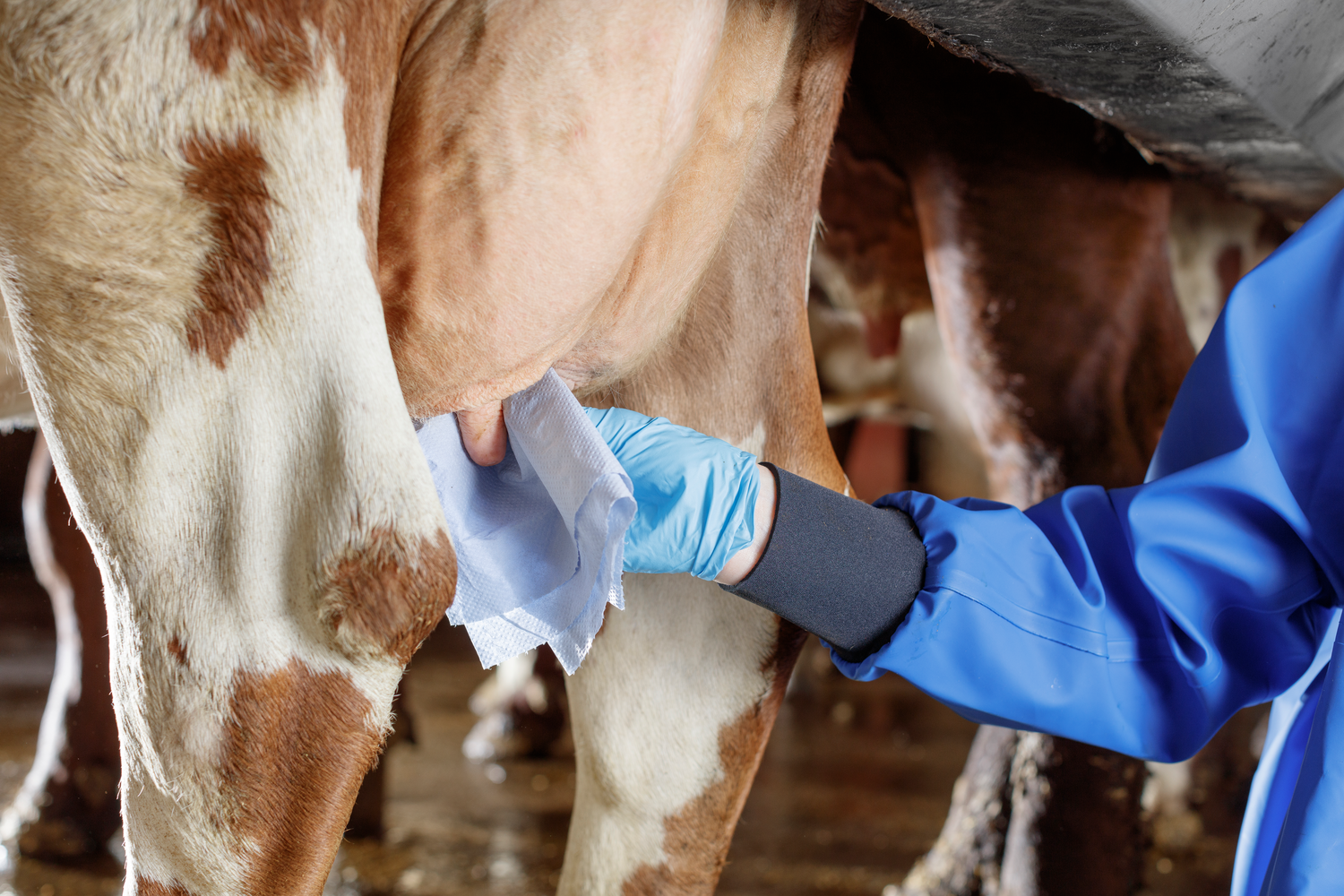
- Visual inspection - foremilk stripping before milking begins, visual inspection of the udder before attaching the milking unit.
- CMT (California Mastitis Test) / NK test - a chemical indicator of SCC in individual quarters. Detects subclinical mastitis within 30 seconds.

2) On-farm pathogen identification
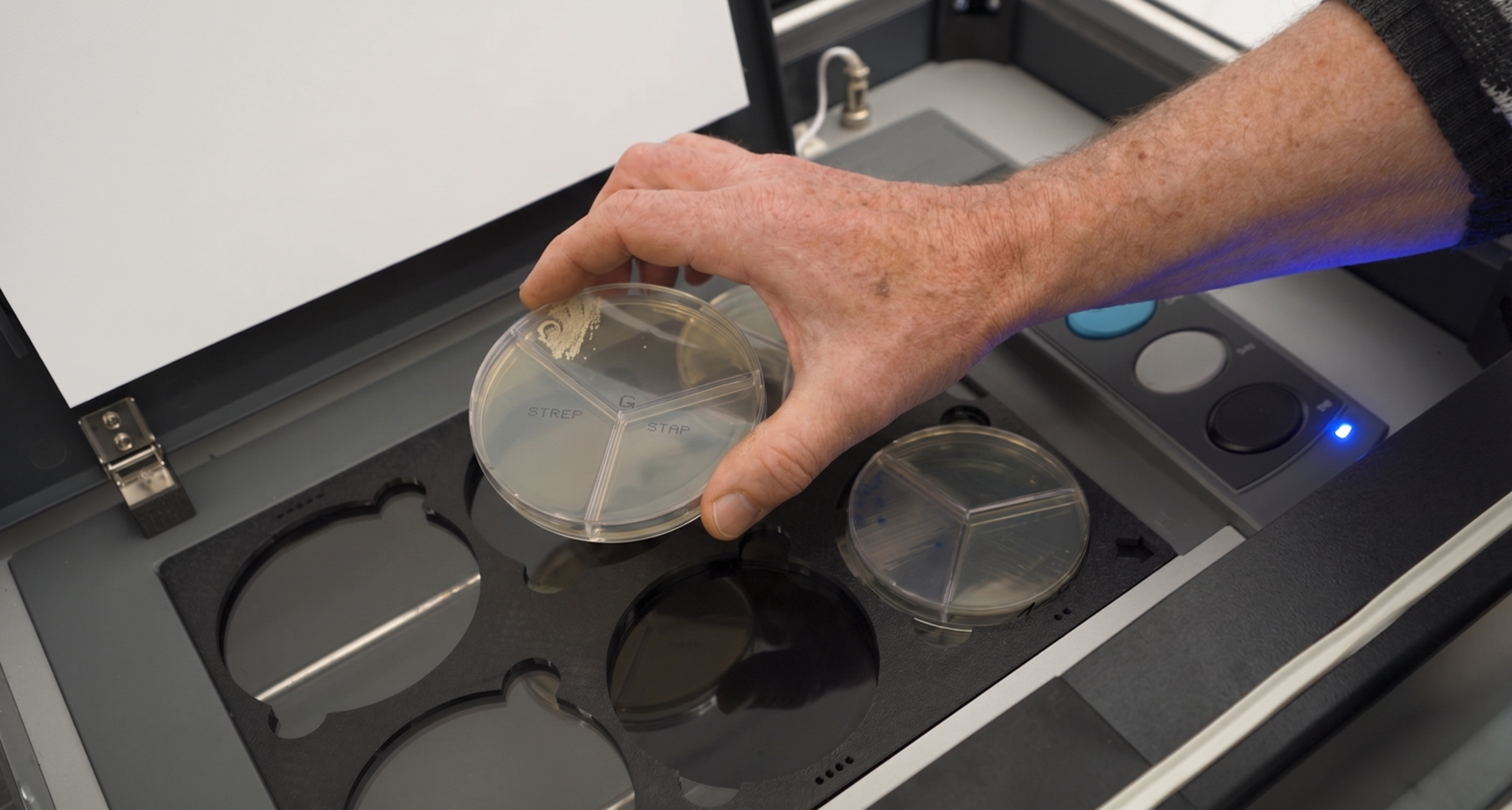
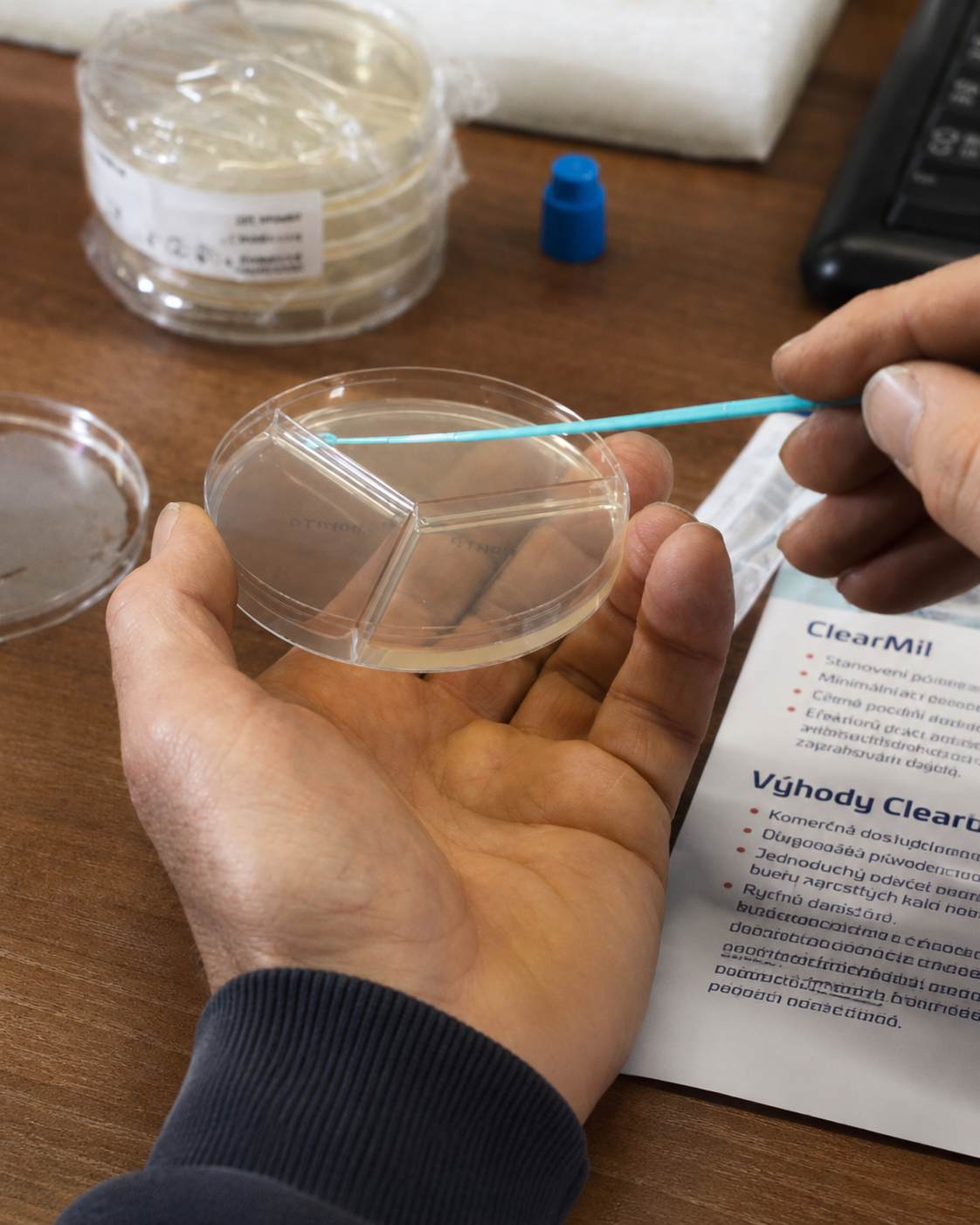
ClearMilk test - a three-sector Petri dish with chromogenic agars allows for the determination of the bacterial pathogen species directly on the farm in 22–26 hours. It identifies:
- Gram-negative bacteria (E. coli, Klebsiella)
- Staphylococci (including S. aureus)
- Streptococci and other G+ bacteria
3) Laboratory confirmation
For the definitive identification of the bacterial pathogen species in ambiguous cases and the determination of antibiotic susceptibility, laboratory analysis is necessary:
Contact LabMedia laboratory- MALDI-TOF identification - precise determination of the pathogen species using mass spectrometry
- Antibiogram - susceptibility to 12+ antibiotics
- PCR diagnostics - for pathogens that are difficult to culture (e.g., Mycoplasma spp.)

When to Use Which Diagnostics
| Situation | Recommended Diagnostics |
| Monthly herd screening | SCC monitoring + CMT |
| Suspected cow | CMT + ClearMilk test |
| Acute clinical mastitis | ClearMilk test + antibiogram |
| Recurrent mastitis | MALDI-TOF + Antibiogram |
| Before dry-off | ClearMilk test |
| High bulk tank SCC | ClearMilk test for all cows with high SCC |
Mastitis Treatment
Modern mastitis treatment follows the principles of responsible and prudent antibiotic use (antibiotic stewardship)—meaning antibiotics are applied only when genuinely necessary, and always in a targeted manner.
Targeted vs. blanket antibiotic administration
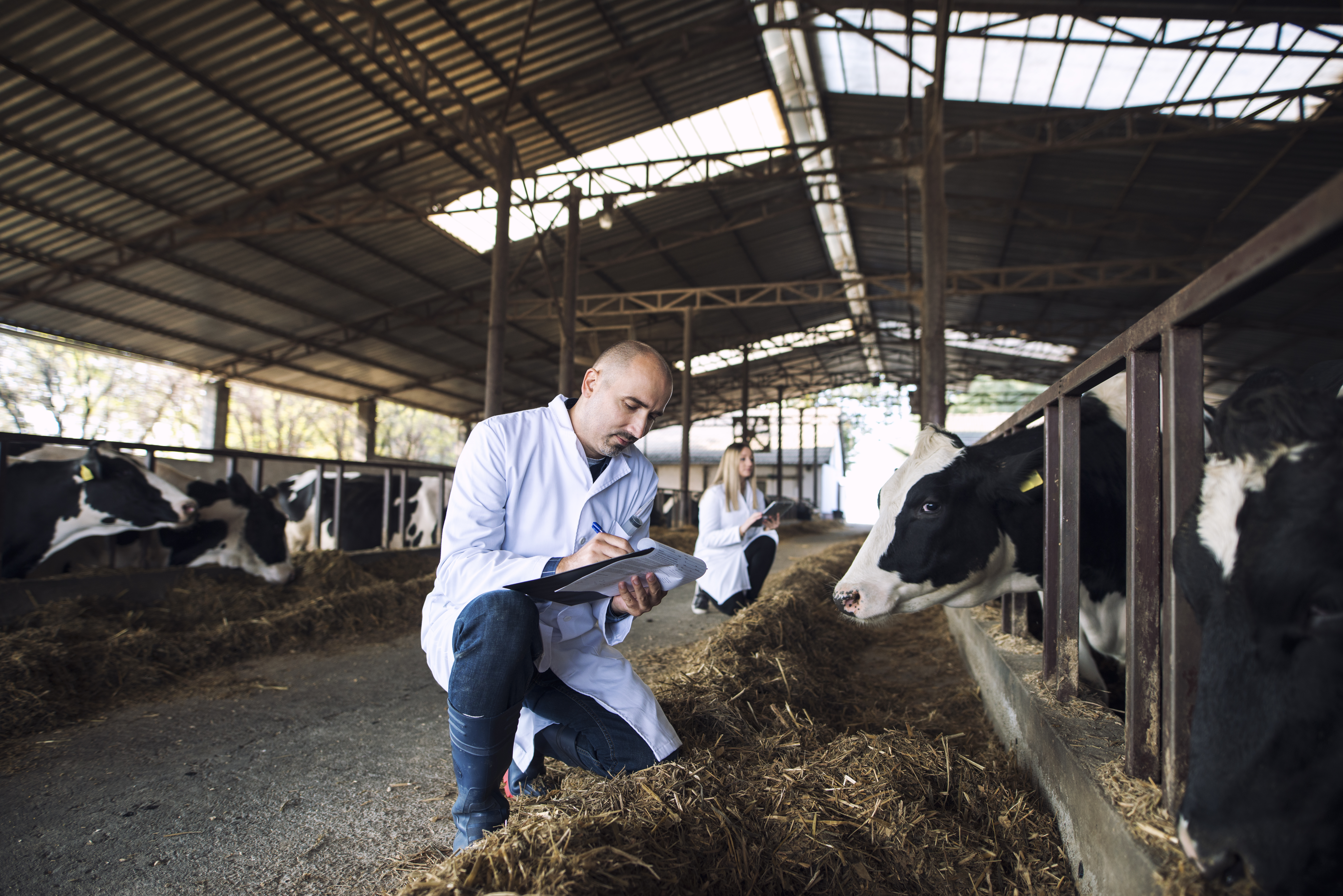
Blanket use of antibiotics (e.g., treating every cow at dry-off) increases the occurrence of pathogen resistance and places an unnecessary burden on both the farm budget and the cows' metabolism. A selective approach applies antibiotics only where it makes sense based on proper diagnostics.
The role of the antibiogram
An antibiogram determines which antibiotics a specific pathogen is susceptible or resistant to. Without it, you are treating blindly and often with the wrong preparation. Such an approach does not improve the situation; on the contrary, it selects for resistant strains and worsens the status of the entire herd.
Our laboratory performs antibiograms using the standard disk diffusion method for 12+ antibiotics relevant to veterinary practice in the Czech Republic. Read more about antibiograms.
Our laboratory performs antibiograms using the standard disk diffusion method for 12+ antibiotics relevant to veterinary practice in the Czech Republic. Read more about antibiograms.
Treatment by pathogen type
- Gram-positive bacteria (staphylococci, streptococci) - typically penicillin, amoxicillin, 1st generation cephalosporins
- Gram-negative bacteria (E. coli, Klebsiella spp.) - often spontaneous recovery (especially in mild cases), antibiotics are not always indicated; when indicated, prefer targeted therapy based on susceptibility. Reserve use: 3rd and 4th generation cephalosporins and fluoroquinolones (EMA Category B) only in severe cases and upon careful consideration, alternatively supportive care and NSAIDs, or aminoglycosides as indicated
- Mycoplasma bovis - no effective antibiotic therapy, culling is recommended
- Prototheca - no effective therapy exists, culling is recommended
Duration of treatment
- Acute mastitis: 3–7 days depending on severity
- Subclinical mastitis (if treated): 5–7 days depending on the pathogen species
- At dry-off: single application (effective throughout the dry period), 4–8 weeks withdrawal period
- Chronic mastitis: individual approach, often low treatment success rate, culling is recommended
Milk withdrawal period
A mandatory withdrawal period applies after every antibiotic treatment, during which the milk must be discarded. The duration depends on the specific product: typically 4–7 days for intramammary treatment during lactation, and 28–55 days at dry-off. Always follow the package insert.
Mastitis Prevention
Treating mastitis is always more expensive than preventing it. Here are the main areas:
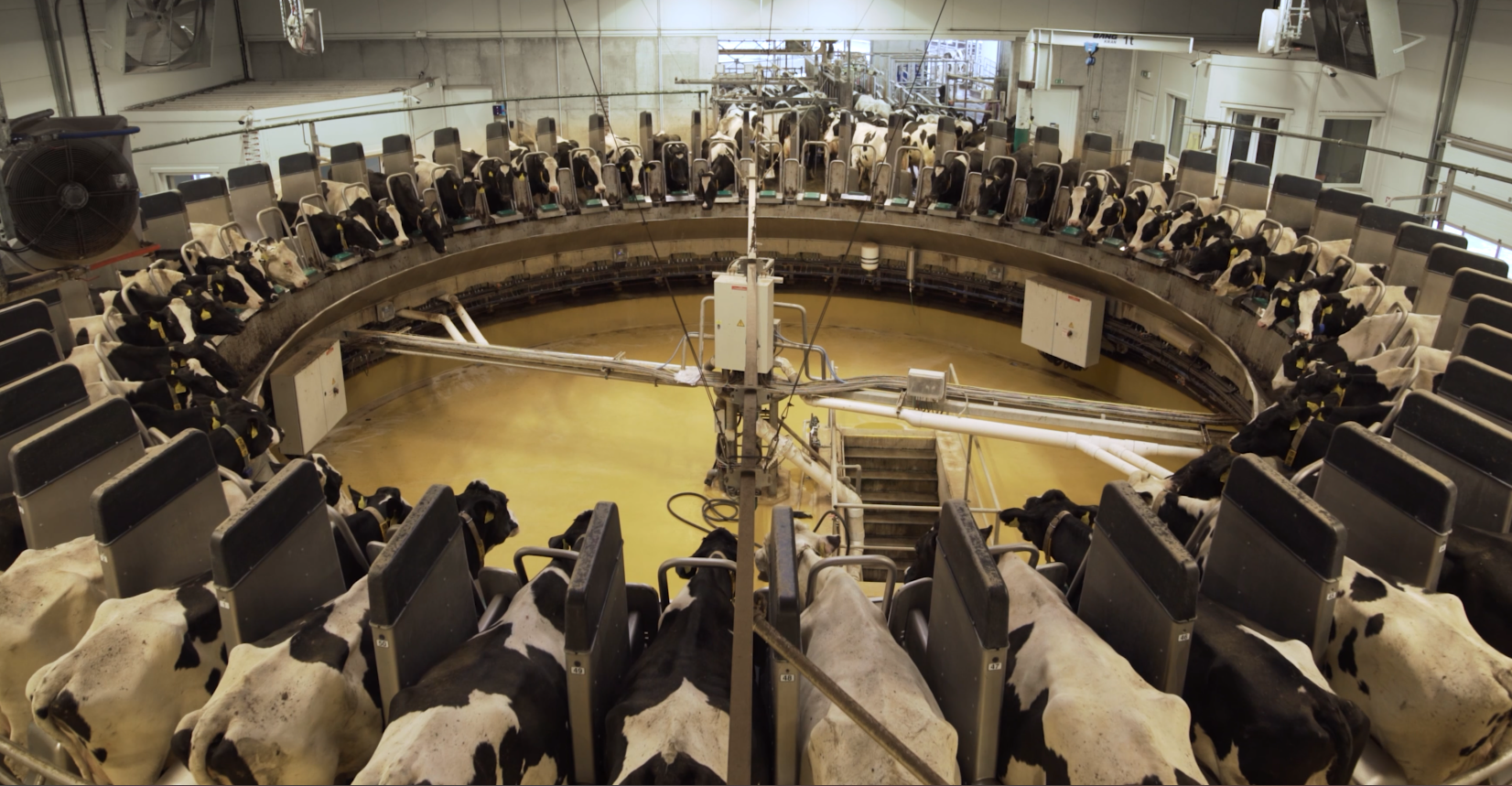
Milking hygiene
- Pre-dipping – teat disinfection before attaching the milking unit
- Dry preparation – paper towel, one per cow
- Post-dipping – protective film on teats after milking
- Milking order – healthy cows → cows with high SCC → clinically affected cows (never the other way around)
- Regular maintenance of milking equipment – checking vacuum levels, replacing teat cup liners at regular intervals
Environmental hygiene
- Clean and dry bedding – especially during the dry period and the postpartum period
- Ventilation – a humid barn = higher incidence of environmental pathogens
- Cow cleanliness scoring at least once a month (focusing mainly on teats and udder, abdomen, thighs, and lower hind legs)
Selective dry cow therapy
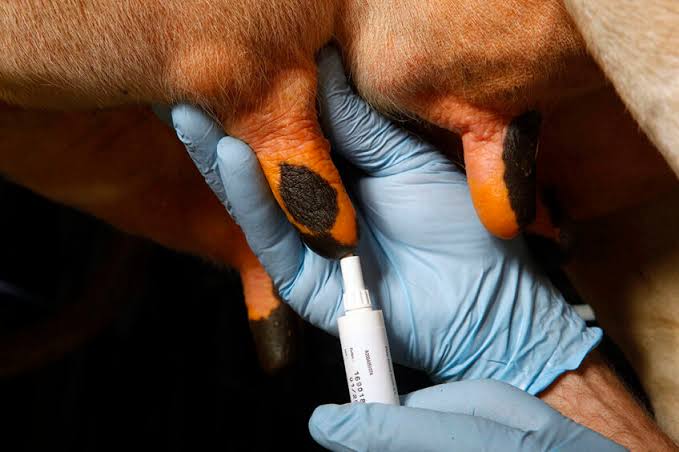
Blanket antibiotic treatment at dry-off only for cows that need it (high SCC, history of mastitis, positive ClearMilk test, teat lesions). For all other cows, teat sealants without antibiotics are sufficient.
Read more in our guide: Selective Dry Cow Therapy.
Read more in our guide: Selective Dry Cow Therapy.
Vaccination
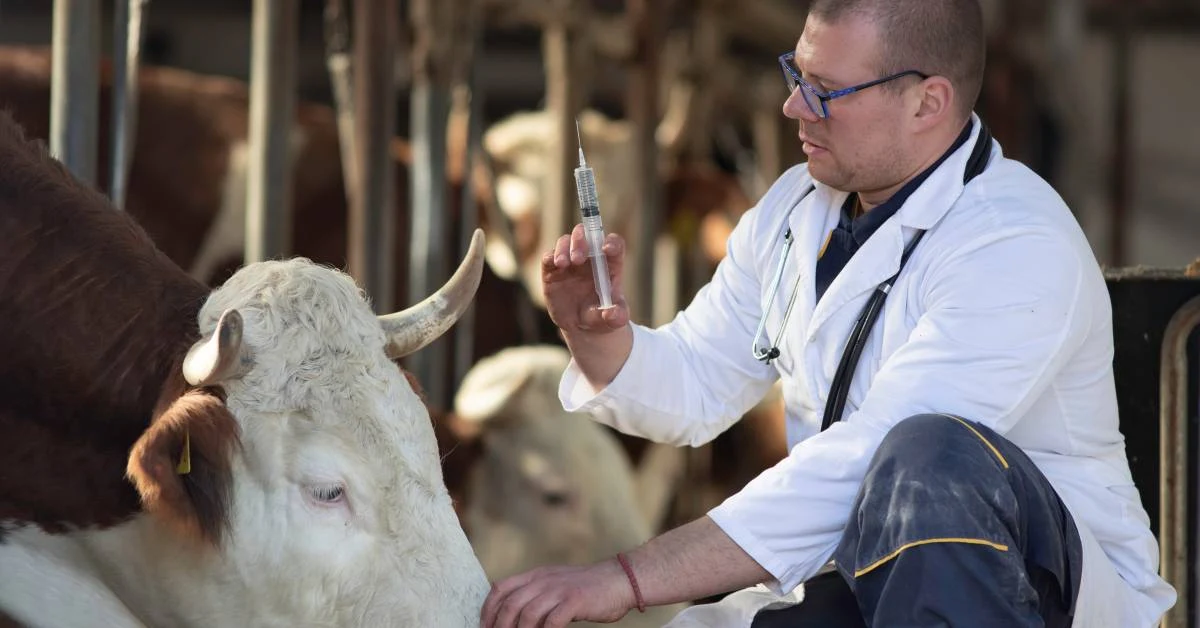
In the Czech Republic, vaccines are available against:
- E. coli
- S. aureus
- S. uberis
Vaccination does not replace good hygiene, but it reduces the severity of clinical episodes.
Recurrent and chronic mastitis
If a cow experiences 3+ clinical episodes during a single lactation, it is classified as chronic mastitis. Causes include:
- Unresolved initial infection (inappropriately selected antibiotics, insufficient treatment duration)
- Pathogen difficult to treat (e.g., S. aureus causing chronic udder infection)
- Anatomical damage to the udder
- Comorbidities (impaired immunity)
What to do in cases of recurrent mastitis
- Re-diagnose using the ClearMilk test + antibiogram - the pathogen may not be the same, or it may be a strain with acquired resistance to the previously administered antibiotics.
- Consult with a dairy specialist veterinarian
- Consider culling - in the event of unsuccessful treatment, a chronically infected cow is economically unproductive and spreads infection throughout the herd.
Economic Impact of Mastitis
Mastitis is the most costly disease in dairy cattle. Model calculations for an average Czech farm:
Clinical mastitis
- Milk discard during the withdrawal period: 2,000 – 3,000 CZK
- Treatment costs (antibiotics, veterinary intervention):
1,000 – 2,000 CZK - Reduced yield during and after illness: 2,500 – 5,000 CZK
Subclinical mastitis
- 5–15% reduced yield:
3,500 – 12,000 CZK / lactation - Dairy bonuses / penalties for components (SCC, fat, protein) in bulk tank milk:
0,5–2 CZK / liter - Increased risk of a clinical episode
Herd-level impact
- Premature culling of chronically affected cows:
20,000 – 40,000 CZK / head - Reduced reproductive performance (inflammation affects estrous cycles and conception rates)
- Increase in antibiotic use → antibiotic resistance → higher costs for antibiotic therapy
Return on Investment (ROI) in diagnostics
The ClearMilk test + antibiogram costs a few hundred CZK per sample. Thanks to this investment, you reduce the incidence of mastitis and prevent the spread of mastitis pathogens within the herd. Investing in diagnostics yields a tenfold return.
FAQ — Frequently Asked Questions About Mastitis
Mastitis is an inflammation of the mammary gland in dairy cows, most commonly caused by a bacterial infection. Approximately half of all cows suffer from it during their lifetime. The impairment of a single udder quarter reduces milk production by at least 10–12% and can lead to antibiotic contamination of milk during treatment. Early diagnostics and targeted therapy are key.
We distinguish four main types: subclinical (asymptomatic, only elevated SCC—accounting for 70–80% of cases), acute clinical (swelling, pain, abnormal milk), peracute (systemic signs, often fatal without urgent treatment), and chronic (recurrent episodes, often requiring culling). Each type requires a different approach to diagnosis and treatment.
Subclinical mastitis progresses without visible signs—the cow appears healthy, and the milk looks normal. It can only be detected by an elevated SCC (above 200,000 per ml) or screening tests such as the CMT. In contrast, clinical mastitis is visible: udder swelling, pain, abnormal milk (flakes, blood), and often fever. Subclinical is more common, but clinical is more dramatic.
Key signs include: changes in milk (flakes, blood, pus, abnormal color or consistency), swelling of one or more udder quarters, pain to the touch, elevated local temperature of the udder, and reduced milk yield. In acute forms, systemic signs are also present—fever above 39.5°C, reduced feed intake, lethargy, and dehydration.
Mastitis is primarily caused by bacteria, less frequently by yeasts or algae. Pathogens are divided into contagious (Staphylococcus aureus, Streptococcus agalactiae, S. uberis—spreading from cow to cow) and environmental (E. coli, Klebsiella spp., S. uberis—from the herd environment). The development of infection is also influenced by predisposing factors: milking hygiene, bedding quality, nutrition, and stress. Detailed information on individual pathogens can be found in our Pathogen Atlas.
Diagnostics are carried out in three tiers: (1) screening via SCC monitoring and CMT/NK testing (fast, inexpensive, herd-wide), (2) pathogen identification via the ClearMilk test directly on the farm (results within 22–26 hours), and (3) laboratory confirmation with an antibiogram and MALDI-TOF species identification. The choice of method is guided by the situation—ranging from routine monitoring to managing acute cases and determining antibiograms.
Mastitis treatment follows the principle of antibiotic stewardship—antibiotics are administered in a targeted manner based on an antibiogram, never blindly. For Gram-positive pathogens, typically penicillins and 1st generation cephalosporins; for Gram-negative pathogens, fluoroquinolones or 3rd–4th generation cephalosporins. Duration of treatment: usually 3–7 days for acute mastitis and 5–7 days for subclinical mastitis. A milk withdrawal period is required after treatment. Chronic cases often require culling.
Need help with mastitis in your herd?
Order the ClearMilk test or schedule a consultation with our clinical specialist. We will get back to you within 24 hours.
Order ClearMilk Test