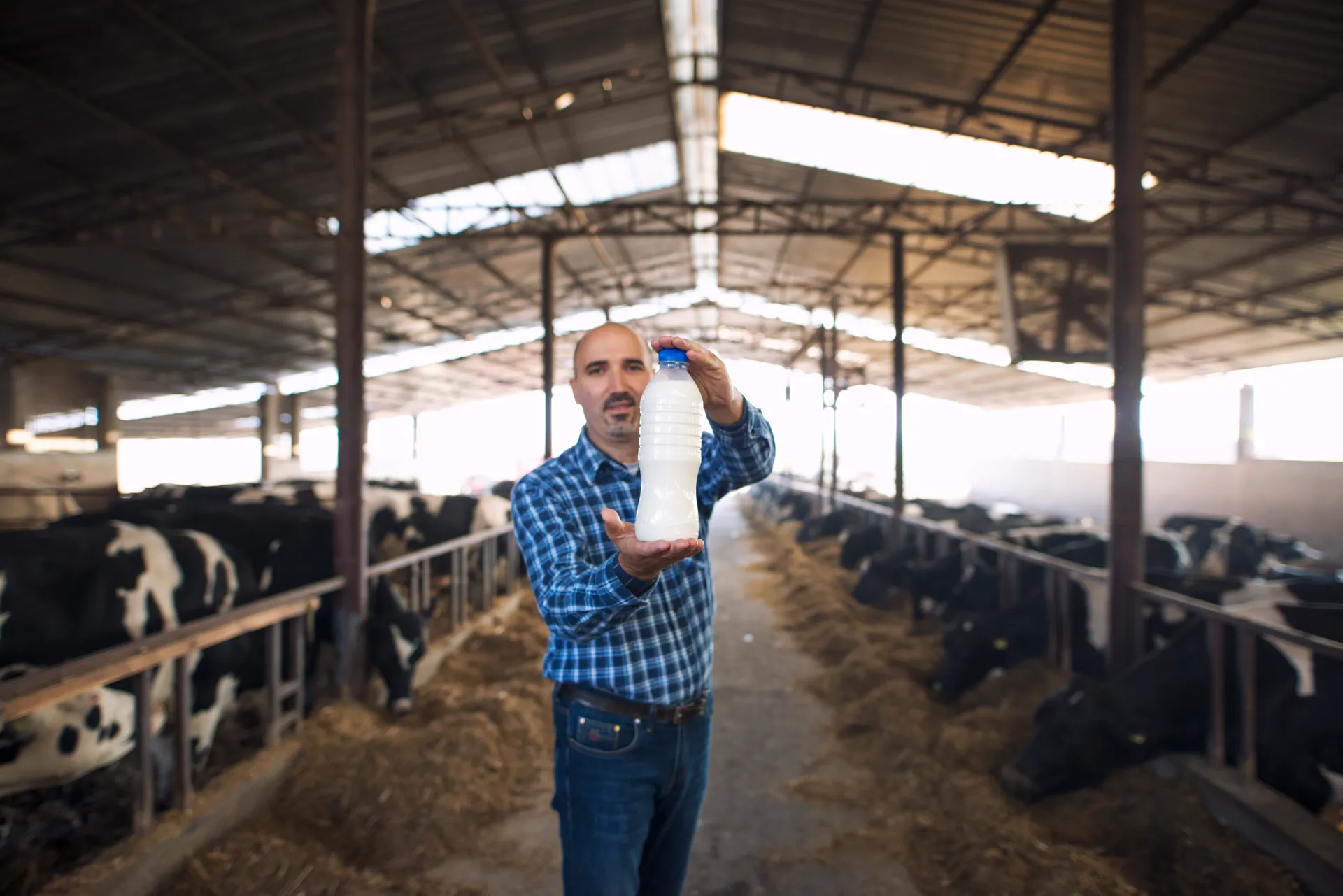
What Somatic Cell Count (SCC) in Milk Means
What SCC Means
Somatic Cell Count (SCC) per 1 ml of milk indicates udder health and the level of infection within the mammary gland.
When It Is Considered High
Individual cow:
over 200,000 cells/ml = subclinical mastitis
over 200,000 cells/ml = subclinical mastitis
Bulk tank:
over 400,000 cells/ml = EU legal limit for milk sales
over 400,000 cells/ml = EU legal limit for milk sales
What It Costs You
The dairy processor will likely reduce the purchase price by 0.30–0.50 CZK/l.
Total Financial Loss
For a bulk tank volume of 5,000 l/day, this amounts to a loss of 45,000–75,000 CZK/month.
For a bulk tank volume of 5,000 l/day, this amounts to a loss of 45,000–75,000 CZK/month.
Causes of High SCC in Milk
In 90% of cases, high Somatic Cell Count (SCC) stems from a single primary cause: subclinical mastitis—udder inflammation without visible symptoms. Specific triggers include:

1. Bacterial Infections (Primary Cause)
- Staphylococcus aureus: chronic, contagious mastitis transmitted during milking
- Streptococcus agalactiae: highly contagious, readily eradicable
- Streptococcus uberis: primarily environmental (bedding), though some strains exhibit contagious transmission
- Coagulase-Negative Staphylococci (CNS): less virulent, but currently very common (mainly subclinical infections)
- Coliform bacteria (E. coli, Klebsiella): environmental, frequently causing acute/peracute mastitis with distinct clinical signs

2. Milking Hygiene
- Inadequate pre-dipping and post-dipping
- Incorrect milking order (infected cows before healthy ones)
- Worn teat cup liners in the milking cluster
- Improperly adjusted vacuum or pulsation settings

3. Environment
- Wet, dirty bedding—a key source of environmental pathogens (E. coli, Klebsiella spp., S. uberis)
- Poor barn ventilation
- High stocking density
- Insufficient resting space

4. Heifers and Primiparous Cows
Up to 30% of primiparous cows have subclinical mastitis at calving. Young cows have immature udder immunity and frequently acquire infections prior to their first calving..
Additional Factors:
Additional Factors:
- Stress during the periparturient period (calving, onset of lactation)
- High yield (>30 kg/day)
- Seasonality (summer = higher incidence of environmental mastitis)
- Nutritional deficiencies (selenium, vitamin E, body condition score - BCS)
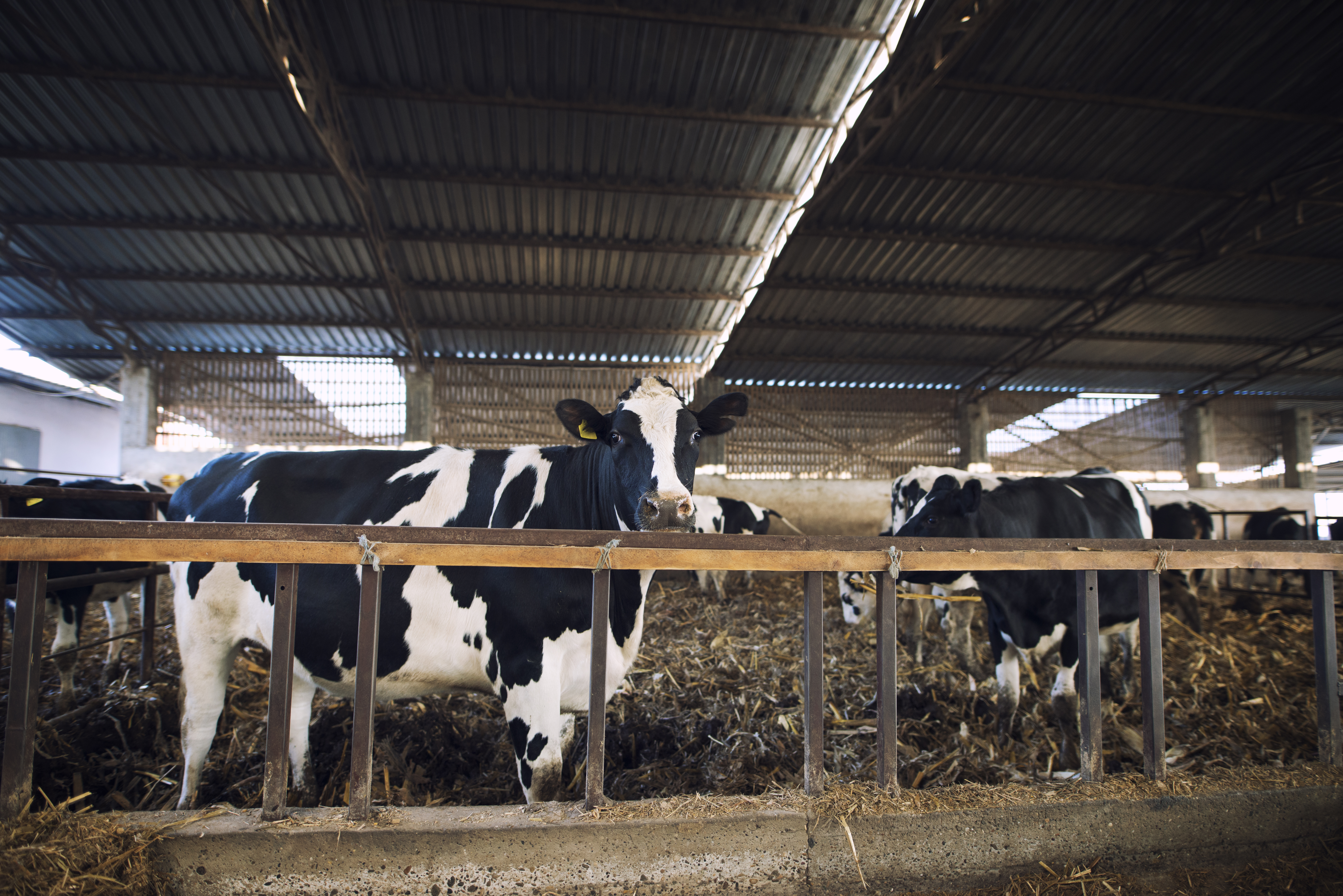
Diagnostic Procedure: How to Find the Root Cause
Reducing Somatic Cell Count (SCC) begins with systematic diagnostics. Without it, you are treating blindly.

Individual Cow SCC Monitoring
Bulk tank SCC does not tell you which specific cow is causing the problem. You need data from milk recording (KU) – monthly laboratory SCC measurements for each cow in the herd. Without milk recording, targeted treatment is not possible.
The 80/20 rule: typically, 20% of cows are responsible for 80% of the bulk tank SCC problem. The goal is to identify these cows and address the issue.
The 80/20 rule: typically, 20% of cows are responsible for 80% of the bulk tank SCC problem. The goal is to identify these cows and address the issue.
CMT/NK Test During Milking
For cows with SCC above 200,000 cells/ml, perform the California Mastitis Test (CMT) or the Czech NK test directly in the milking parlour. The test identifies which specific quarter is affected — not all quarters are necessarily affected at the same time.
Procedure: mix the milk with the reagent on a special test paddle → after 30 seconds, assess the consistency/gel formation. A positive reaction = high SCC in that quarter = proceed with the ClearMilk test.
Procedure: mix the milk with the reagent on a special test paddle → after 30 seconds, assess the consistency/gel formation. A positive reaction = high SCC in that quarter = proceed with the ClearMilk test.
On-Farm Pathogen Identification Using the ClearMilk Test
The on-farm ClearMilk test differentiates the main pathogen groups (G+, G-, yeasts) within 24 hours. For definitive species identification and antimicrobial susceptibility testing, send the sample to a laboratory for microbiological analysis and an antibiogram.
Targeted Treatment or a Decision About the Cow
- Positive bacteriology + good treatment prognosis → targeted antibiotic treatment based on the antibiogram
- Chronic S. aureus infection / recurrent episodes → consider culling
- Negative bacteriology + high SCC → environmental stress or a milking hygiene problem
Treatment and Prevention: How to Keep SCC Low
A one-off reduction in SCC is not enough — you need a system that keeps SCC low in the long term.

1. Selective Dry Cow Therapy
Blanket dry cow therapy using antibiotics for all cows does not reduce SCC — instead, it selects for resistant pathogenic bacteria, which can subsequently increase SCC. Selective dry cow therapy targets infected cows, while uninfected cows receive only internal teat sealants without antibiotics.
Studies show that properly implemented SDCT can keep bulk tank SCC below 200,000 in the long term.
Studies show that properly implemented SDCT can keep bulk tank SCC below 200,000 in the long term.

2. Milking Hygiene
- Pre-dipping with a disinfectant solution before attaching the milking unit
- Dry preparation – use a disposable paper towel, one per cow
- Post-dipping with a protective barrier after milking
- Milking order: healthy cows → cows with higher SCC → clinically affected cows (never the other way around)
- Regular maintenance of the milking equipment — replace teat cup liners every 6 months

3. SCC Monitoring
- Monthly milk recording for all cows in the herd
- Weekly bulk tank monitoring through dairy sampling
- CMT screening of suspected cows several times a month
- Trends – an SCC increase of more than 50,000 in a cow within one month = immediate diagnostics required

4. Culling Chronically Affected Cows
If a cow consistently has SCC above 500,000 cells/ml over 3 or more tests even after treatment, culling is the appropriate decision from both an economic and hygiene perspective. A chronically infected cow acts as a reservoir of infection for the entire herd and significantly increases bulk tank SCC.
Economics: How Much High SCC Costs You
| Item | Herd of 100 dairy cows, bulk tank 2,500 l/day |
| Dairy bonus (SCC < 250,000) | +0.30 CZK/l = +900 CZK/day = +27,000 CZK/month |
| Penalty (SCC 300,000–400,000) | -0.30 CZK/l = -900 CZK/day = -27,000 CZK/month |
| Milk rejection (SCC > 400,000) | Disposal of the entire bulk tank — typically 60,000–120,000 CZK per incident |
| Reduced Production (5–15%) | 150–450 l/day less = 36,000–108,000 CZK/month |
Return on Investment in Diagnostics
The investment typically pays for itself within 1–2 months of successfully reducing SCC.
For a herd of 100 dairy cows = approximately 7,000 CZK/month for regular diagnostics.
| Item | Price |
| ClearMilk test | ~150 CZK/sample |
| Antibiogram | ~300 CZK/isolate |
| Monthly milk recording: | ~30 CZK/cow |
Together, We Will Create an Action Plan for Your Herd
Contact Us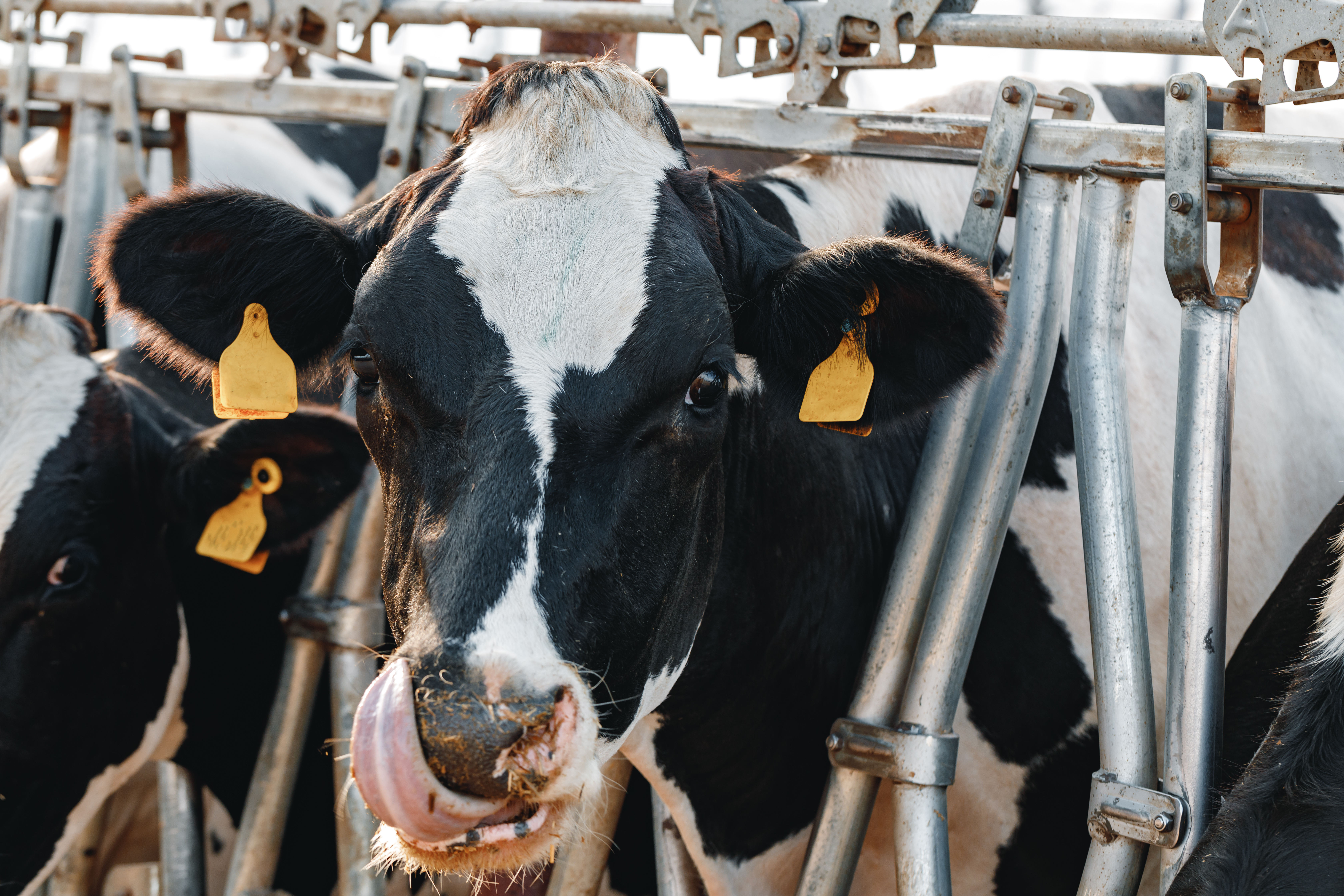
Case Study Based on a Real Herd in the Czech Republic
Initial Situation (January)
- Herd of 180 dairy cows, bulk tank ~4,200 l/day
- Bulk tank SCC: 380,000 cells/ml — repeatedly at the threshold, penalty of 0.30 CZK/l
- Main problem cows: 22 cows with individual SCC > 300,000
Intervention and Implementation of ClearMilk Tests (February–March)
- CMT testing of all 22 cows — identification of affected quarters
- ClearMilk test + antibiogram → 9 cows with S. aureus, 6 cows with S. uberis, 7 cows with CNS
- Targeted treatment based on the antibiogram (Orbenin for G+, individual treatment protocol)
- Implementation of SDCT for cows not undergoing active treatment
- Milking hygiene audit + team training
✅ Result (May)
- Bulk tank SCC: 165,000 cells/ml (–57%)
- Bonus of 0.30 CZK/l = +38,000 CZK/month
- Return on diagnostic investment: 6 weeks
FAQ – Frequently Asked Questions
SCC stands for Somatic Cell Count - the number of white blood cells (leukocytes) and epithelial cells in 1 ml of milk. It is a key indicator of udder health: low SCC indicates a healthy mammary gland, while high SCC signals infection or inflammation (typically subclinical mastitis). Dairies routinely measure SCC and use it to determine the milk purchase price.
In a healthy dairy cow, individual SCC is below 100,000 cells/ml. A value of 100,000–200,000 cells/ml is borderline. Above 200,000 cells/ml indicates subclinical mastitis. For bulk tank milk, the target is below 250,000 cells/ml (dairy bonus), while the maximum regulatory limit for raw milk in the Czech Republic/EU is 400,000 cells/ml.
For an individual cow, SCC above 200,000 cells/ml is too high — this indicates subclinical mastitis even if the cow appears healthy. For bulk tank milk, above 250,000 you lose the bonus, at 300,000–400,000 penalties apply, and above 400,000 the dairy cannot accept the milk under EU regulations.
The EU regulatory limit for raw cow's milk is 400,000 somatic cells/ml (geometric average over 3 months). Most Czech dairies use their own tiered pricing system: bonus below 250,000, neutral pricing at 250,000–300,000, penalties at 300,000–400,000, and rejection above 400,000. The exact thresholds are specified in the supply contract.
In 90% of cases, the cause is subclinical mastitis — a bacterial udder infection without visible symptoms. The main pathogens are Staphylococcus aureus, Streptococcus uberis and CNS. Secondary factors include inadequate milking hygiene (pre-/post-dipping), wet bedding, worn milking equipment, primiparous cows with immature immunity, and stress during the periparturient period.
Yes, directly. SCC increases as an immune response to a bacterial infection of the udder. Subclinical mastitis = SCC of 200,000–1,000,000 cells/ml without visible symptoms. Clinical mastitis = SCC above 1,000,000 cells/ml accompanied by swelling and abnormal milk. Most cows with high SCC have subclinical mastitis, which would otherwise remain undetected. Learn More About Mastitis in Dairy Cows
Realistic timeframe: 30–60 days from the start of diagnostics. Procedure: (1) monthly milk recording to identify problem cows, (2) CMT to identify affected quarters, (3) antibiogram for targeted treatment, (4) targeted intramammary therapy based on susceptibility, (5) review of milking hygiene. With good cooperation, the herd in our example improved from 380,000 to 165,000 within 60 days (see the case study above).
Monthly milk recording (KU) - laboratory measurement of individual SCC for all lactating cows. Dairy cooperatives or breeding services routinely provide this testing. It identifies cows with SCC > 200,000 cells/ml, which can then be specifically diagnosed using the CMT/NK test and ClearMilk test. Without individual milk recording, you do not know which cow to treat - bulk tank SCC cannot tell you this.
Individual SCC is the value for a single cow (i.e. milk from all four quarters of one lactating cow). Bulk tank SCC is the weighted average for the entire herd in a given milking. Bulk tank SCC may still be acceptable even if several problem cows are present because the milk from the other cows dilutes the total. Conversely, even a single cow with an SCC above 2 million can push the bulk tank into the penalty range.
Diagnostic pyramid: (1) Bulk tank SCC shows that a problem exists. (2) Individual milk recording identifies specific cows. (3) The CMT/NK test identifies the affected quarter. (4) The ClearMilk test identifies the specific pathogen. (5) A laboratory antibiogram confirms the bacterial species and determines antibiotic susceptibility. Without the complete diagnostic pyramid, treatment decisions are essentially made blindly.
Yes, significantly. Blanket antibiotic dry cow therapy can paradoxically select for resistant CNS, which may subsequently increase SCC during the next lactation. Selective dry cow therapy treats only cows with confirmed infections, while the others receive only internal teat sealants. Studies show that properly implemented SDCT can keep bulk tank SCC below 200,000 in the long term.
Contact Us — Book SCC Diagnostics
Struggling with high SCC? Let's find the root cause together.
Click the button and complete the short form — we will contact you within 24 hours with a specific diagnostic plan for your herd.
Click the button and complete the short form — we will contact you within 24 hours with a specific diagnostic plan for your herd.
